UK Workboat · Marine & Civil Engineering

How TMS Maritime transformed vessel compliance & operational visibility

With vessel records, compliance tasks, maintenance and crew workflows in one place, TMS Maritime has better visibility across its whole operation, and the confidence to grow the fleet.

UK

Location

1991

Founded

10+

Assets

2023

Sea-Flux live

Summary

TMS Maritime is a UK marine and civil engineering contractor based in Teignmouth, Devon, founded in 1991 and operating a multi-vessel workboat fleet. Before adopting Sea-Flux in late 2023, the company used a part-paper, part-digital system for daily safety checks and defect reporting, which made it difficult for shore-based staff to confirm that checks had been completed. After a 48-hour turnaround from discovery to demo, TMS Maritime onboarded its full fleet onto Sea-Flux within seven months. The company now has real-time visibility of safety checks across every vessel, automatic routing of defects to the right person ashore, and the documentation in place to support Workboat Code 3 compliance.

We could not easily expand and stay compliant without Sea-Flux. It goes above and beyond our expectations every time we open the app.

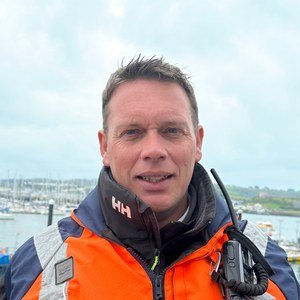
Ben Horrill

Skipper, Marine Plant Hire / TMS Maritime

The challenge

A system that worked, until the fleet started to grow

TMS Maritime has been running workboats out of Teignmouth, Devon since 1991. Barges, tugs and support craft, harbour construction, dredging, coastal infrastructure: the kind of work that keeps things unglamorous and essential. Over the years the team built their own way of staying on top of compliance: QR codes on equipment, a basic software tool, paper check sheets, binders of Risk Assessments and SOPs.

For a time it held. But as the operation grew and plans for a larger fleet and more crew took shape, the cracks became harder to ignore.

Documentation lived in two worlds. Some records were digital, many were still paper. Shore-based staff could not easily confirm whether checks had been done on the water. Defects had no consistent route to the right person ashore. New crew were onboarded from printed documents and institutional knowledge. And with Workboat Code 3 coming into effect, the team knew their patched-together approach would not hold up to scrutiny.

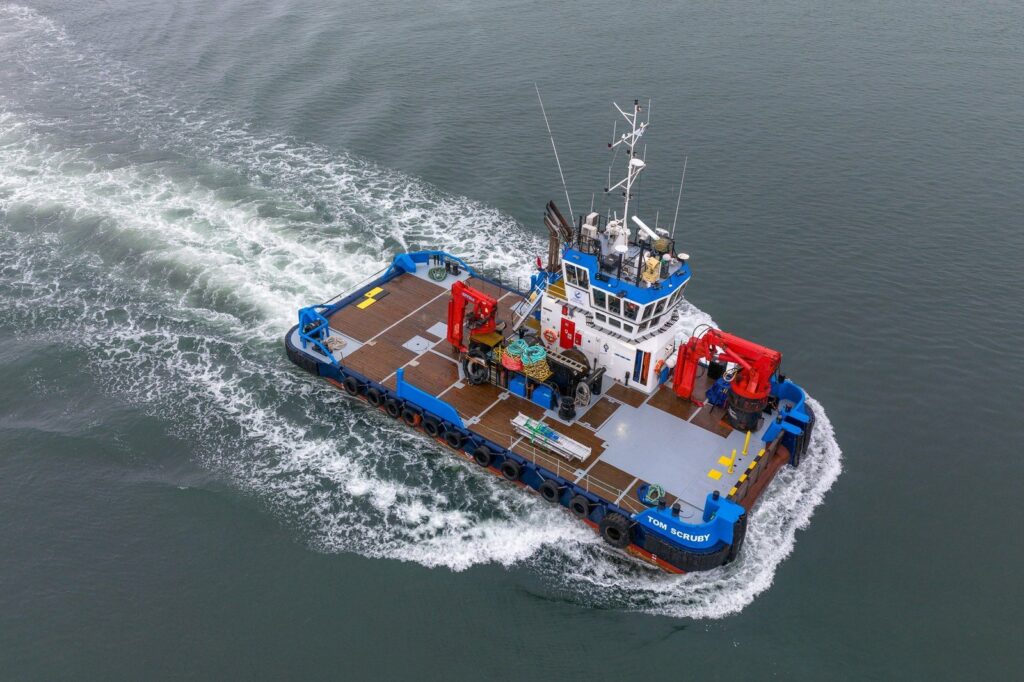
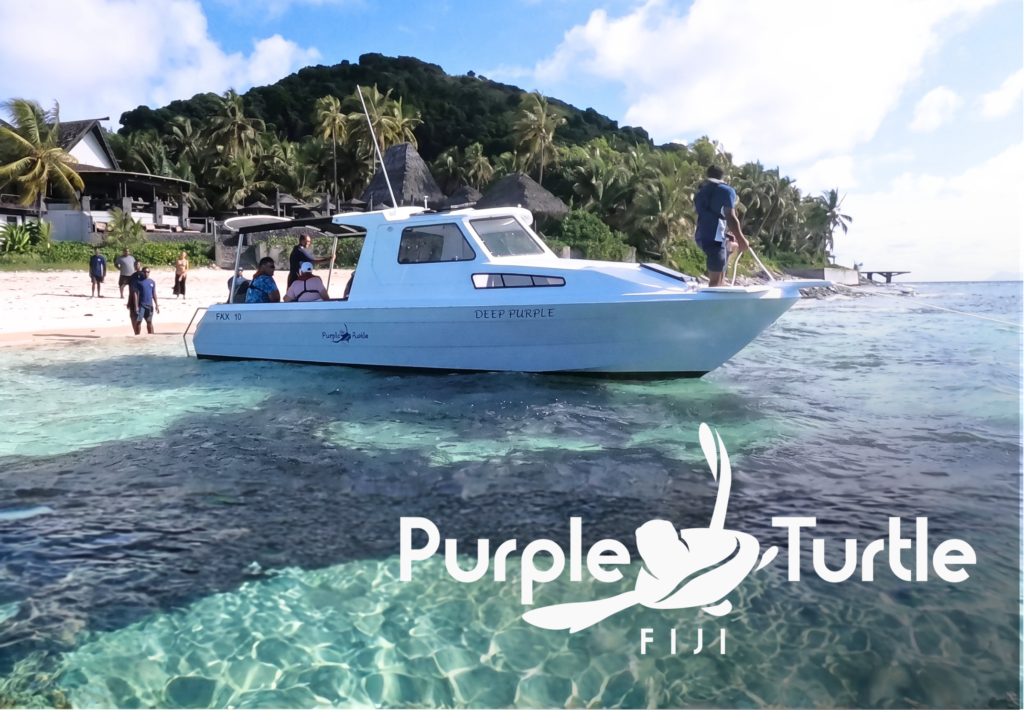
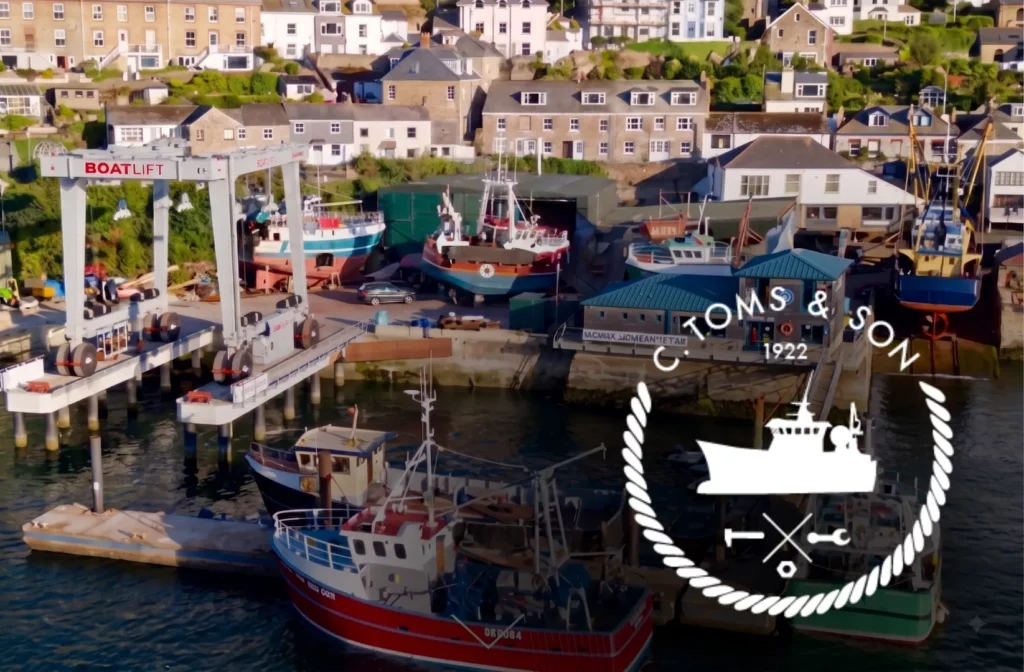
One of the TMS Maritime fleet: the kind of vessel whose safety checks, defect logs and compliance records now live in Sea-Flux rather than paper folders.

Why Sea-Flux

Built for the water, not just the office

Ben Horrill, skipper at Marine Plant Hire (part of TMS), was not looking for new software. He spotted a short video on social media showing TK Offshore Fishing using Sea-Flux on their vessels day-to-day, not a polished demo, just crews using it on the water. He forwarded it to the Marine Superintendent. Within 48 hours they had a demo booked.

What persuaded them was straightforward. Sea-Flux was designed for the maritime environment: it works on any smartphone, offline if needed, and everything a crew member or shore manager needs is in one place. There was no requirement to adapt a generic system to a vessel context: it was already built for it. The onboarding team understood the compliance language. The interface was simple enough that crew would actually use it.

Within a couple of days, we had a demo of the system and set about testing its abilities to see if it suited our needs.

Ben Horrill

Skipper, Marine Plant Hire / TMS Maritime

Implementation

Seven months to full fleet

There was friction at the start; there always is. Some crew were sceptical. Migrating documentation felt like extra work on top of normal operations. TMS Maritime went in with honest expectations: change takes time, and that is normal.

By the seven-month mark, every vessel was live on the platform and the feedback had turned consistently positive.

What once seemed like a lot of work for all involved, now it is up and running, we only receive good feedback.

Ben Horrill

Skipper, Marine Plant Hire / TMS Maritime

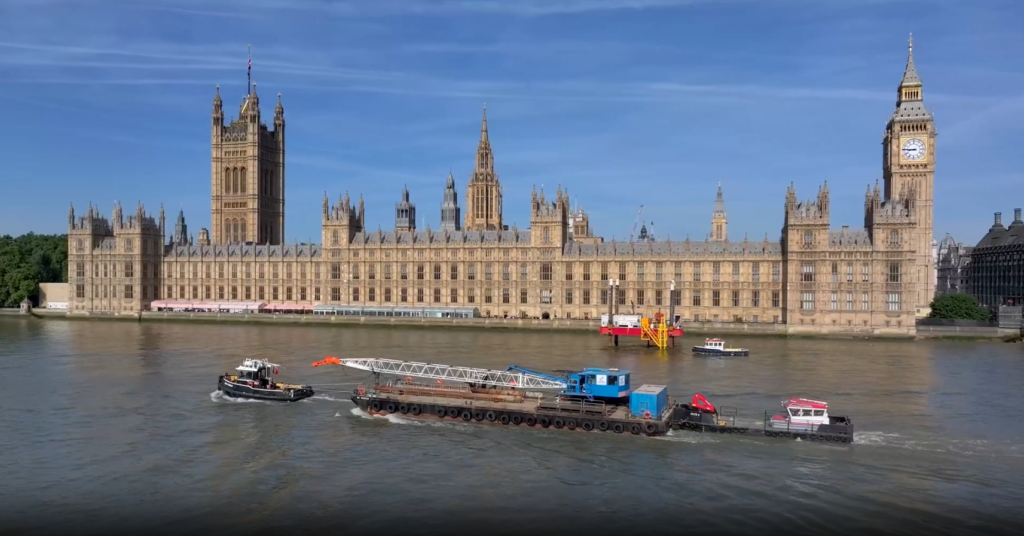
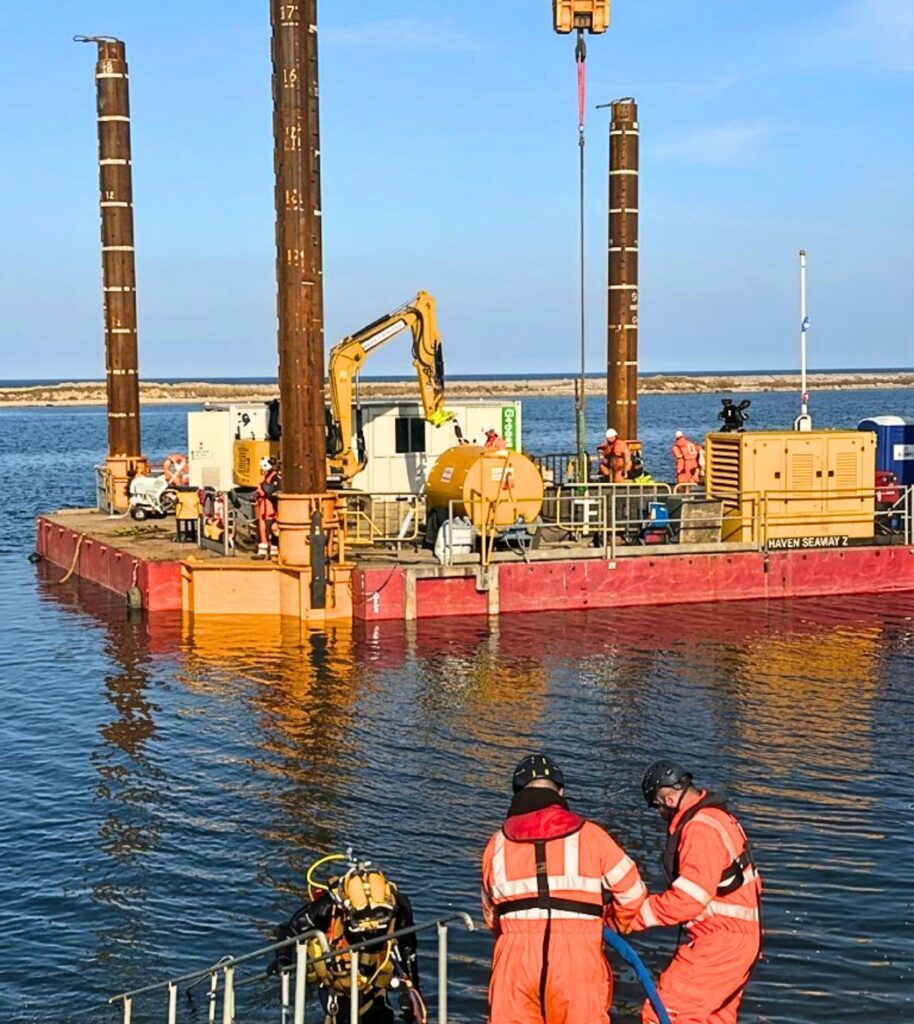
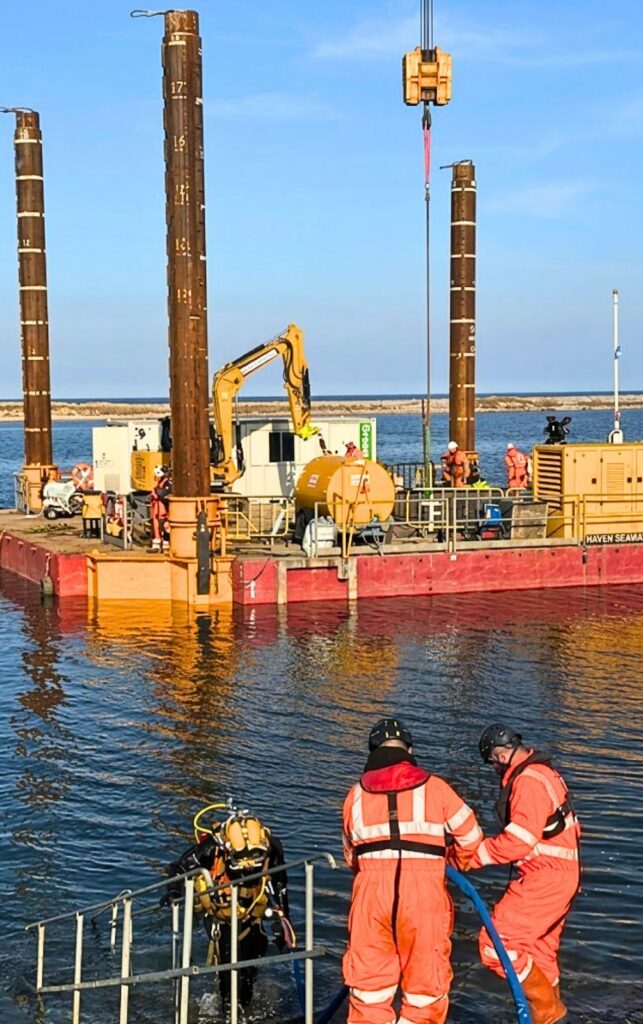
TMS Maritime coordinating a multi-vessel harbour construction project: the kind of complex, multi-crew operation where centralised records and real-time shore visibility make a practical difference.

The results

What changed, and what it means for the fleet

Sea-Flux has given us the ability to outline possible safety concerns which may have been missed before. It has enabled crews to come together as a team to ensure all vessels are safe and fit for purpose.

Ben Horrill

Skipper, Marine Plant Hire / TMS Maritime

Compliance
Workboat Code 3 readiness Certificate records, safety equipment checks and required documentation are now centralised and current. The team is confident their records will hold up under inspection.
Safety concerns surfaced Issues that previously might have gone unnoticed are now visible and tracked. Shore teams can see what has been flagged and whether it has been resolved.
Operational Visibility
Real-time check monitoring Shore-based staff can now see whether daily safety checks have been completed across every vessel, without calling, chasing or waiting until crew are back ashore.
Defects routed automatically When crew log a defect or safety concern, it goes directly to the right person ashore. Nothing waits in a paper log or gets lost in handover.
Time Savings
Maintenance tracking centralised Scheduled maintenance, vessel tasks and outstanding defects are all tracked in one place. The team spends less time chasing paper and more time on the work.
Faster crew onboarding New starters have consistent documentation from day one: SOPs, Risk Assessments and vessel-specific information all accessible from their phone, without relying on a colleague to walk them through it.
Accountability
Crew working as a team Rather than individuals completing checks in isolation, the platform created shared visibility. Everyone can see what has been done, what is outstanding and who is responsible.
Full audit trail Every check, defect, task and sign-off is recorded with a timestamp. For a team preparing for Code 3 inspections, that record matters.

Conclusion

For TMS Maritime, Sea-Flux is now part of a more connected approach to vessel operations: keeping records current, tasks visible and vessels ready for the work ahead. The team has moved from a patchwork of paper and disconnected tools to a single system the whole operation runs from, on the water and ashore.

Sea-Flux has given us the ability to outline possible safety concerns which may have been missed before. It has enabled crews to come together as a team to ensure all vessels are safe and fit for purpose.

Ben Horrill

Skipper, Marine Plant Hire / TMS Maritime

TMS Maritime

Location

Teignmouth, Devon, UK

Sector

Workboat

Operation type

Marine & Civil Engineering

Operating since

1991

Sea-Flux since

Late 2023

Key outcomes

Inspired by TMS Maritime Story

“Sea-Flux has given us the ability to outline possible safety concerns which may have been missed before.”

Ben Horrill

Skipper, Marine Plant Hire / TMS Maritime, Teignmouth, UK

Share this case study

Frequently asked questions

What problem did TMS Maritime have before using Sea-Flux?

TMS Maritime relied on a part-paper, part-digital system using QR codes and basic software for daily checks and defect reporting. Shore-based staff could not easily confirm whether safety checks had been completed, and the business needed a single system ahead of Workboat Code 3 and a planned expansion of its fleet and crew.TMS Maritime relied on a part-paper, part-digital system using QR codes and basic software for daily checks and defect reporting. Shore-based staff could not easily confirm whether safety checks had been completed, and the business needed a single system ahead of Workboat Code 3 and a planned expansion of its fleet and crew.

Skipper Ben Horrill saw a social media video of TK Offshore Fishing using Sea-Flux day to day and forwarded it to the Marine Superintendent. A demo was arranged within 48 hours.

TMS Maritime had its full fleet live on Sea-Flux within seven months, including time to upload Risk Assessments, Standard Operating Procedures and vessel-specific documentation.

Shore-based staff can now see in real time whether daily safety checks have been completed across every vessel. Safety concerns that previously went unnoticed are now surfaced and tracked, defects are routed automatically to the right person ashore, and the business has the documentation in place to support Workboat Code 3 compliance.

Yes. TMS Maritime describes itself as a smaller operator within the UK workboat sector, and found Sea-Flux’s mobile-first design suited to crews working on the water rather than in an office.

Read more customer stories

“The program itself is easy to use and our crew are responding well to the change. Sea-Flux has allowed us to keep our Fleet SMS and forms and ensure each vessel can have specific checks and maintenance tasks specific for the individual vessel. As the individual crew signs in, it maintains accountability to tasks, checks, and forms and keeps a closed loop within the SMS.”
We really like the way Sea-Flux records and holds every aspect of vessel management in one place, accessible by all crew, and everyone has access to whatever information they need. We also really like the fact that the web version and the app version running on our phones and tablets is exactly the same.